
Sleep Cycle Calculator
Use this sleep calculator to plan bedtimes or wake-up times around 4, 5 or 6 sleep cycles. Add the minutes you usually need to fall asleep.
Results
—
Wake-up times
Ninety minutes is an average. Use these times as a planning aid.
· Free
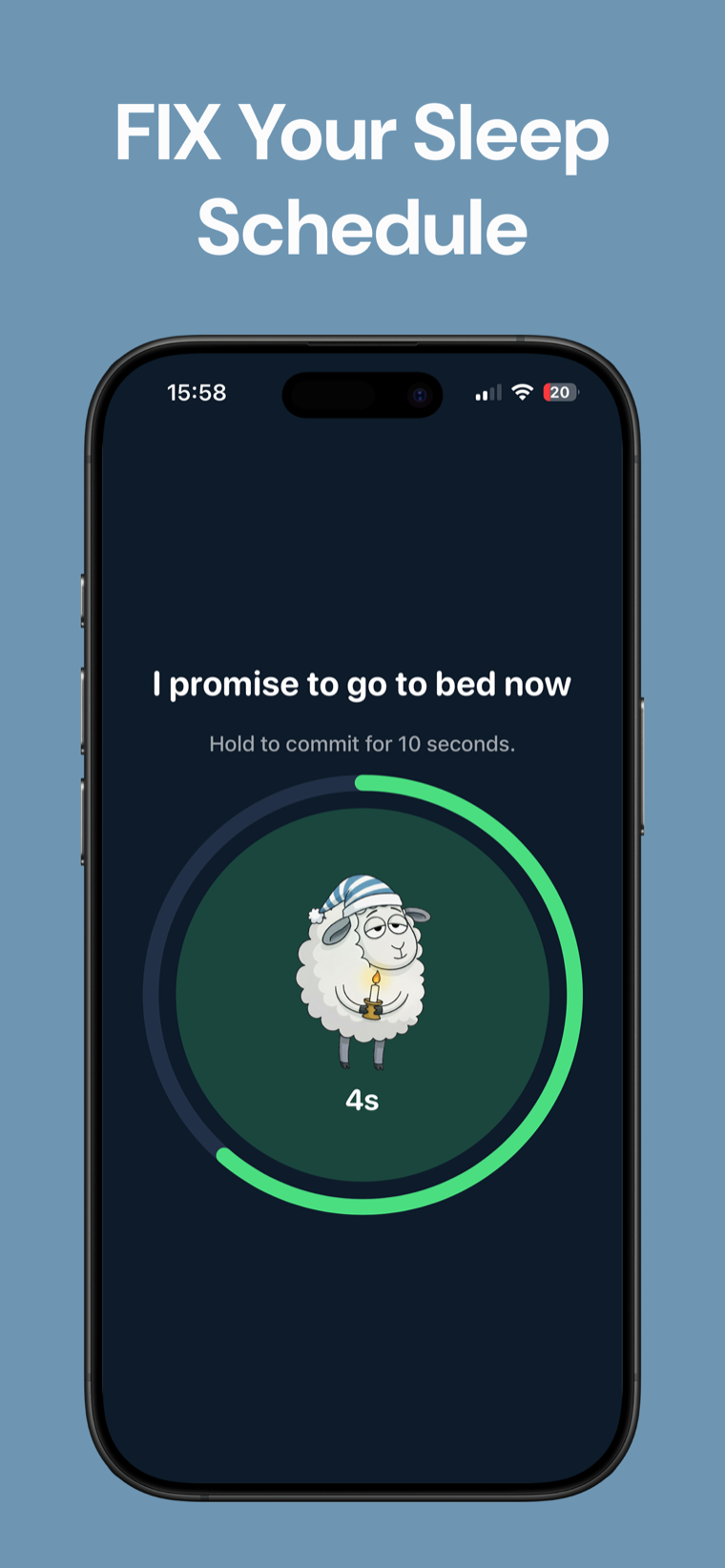
Track it in Bedtime Reminder.
Keep sleep schedules, reminders and notes private on your device.

How this sleep calculator works
This sleep calculator uses a 90-minute average cycle to plan bedtimes from a wake-up time or wake-up times from a bedtime. Adults typically complete 4 to 6 cycles per night, and waking between cycles is the commonly given rationale for this kind of planning.
The calculator adds your fall-asleep latency before counting cycles. Adults need 7 or more hours per night, so use the results as a planning aid alongside your own sleep needs.
Planned time = starting time ± fall-asleep latency ± (cycle count × 90 minutes) Ninety minutes is an average: real sleep cycles vary between people and across the night. This tool is a planning aid, not a measurement or medical advice.
CDC: About Sleep and Sleep Health ↗AASM/SRS adult sleep duration consensus ↗
Sleep calculator FAQ
How many sleep cycles should I plan?
This tool shows 4, 5 and 6 cycles. Adults typically complete 4 to 6 cycles per night, but individual sleep needs vary.
Why add 15 minutes before counting cycles?
The default 15 minutes represents the time to fall asleep. Change it to match your usual latency; the calculator adds it before counting cycles.
Is a sleep cycle exactly 90 minutes?
No. Ninety minutes is an average, and real cycles vary between people and across the night. Treat the results as a planning aid, not a measurement.
Should I choose 4, 5 or 6 cycles?
Compare the listed total sleep with your schedule and sleep needs. Adults need 7 or more hours per night, and this calculator does not replace personal or clinical guidance.
Are my times saved?
No. The calculation runs in your browser, and this tool does not send your entries over a network.